Download Brochure
Please enter your details to access the download.
The Role of Sustainability in Modern Construction
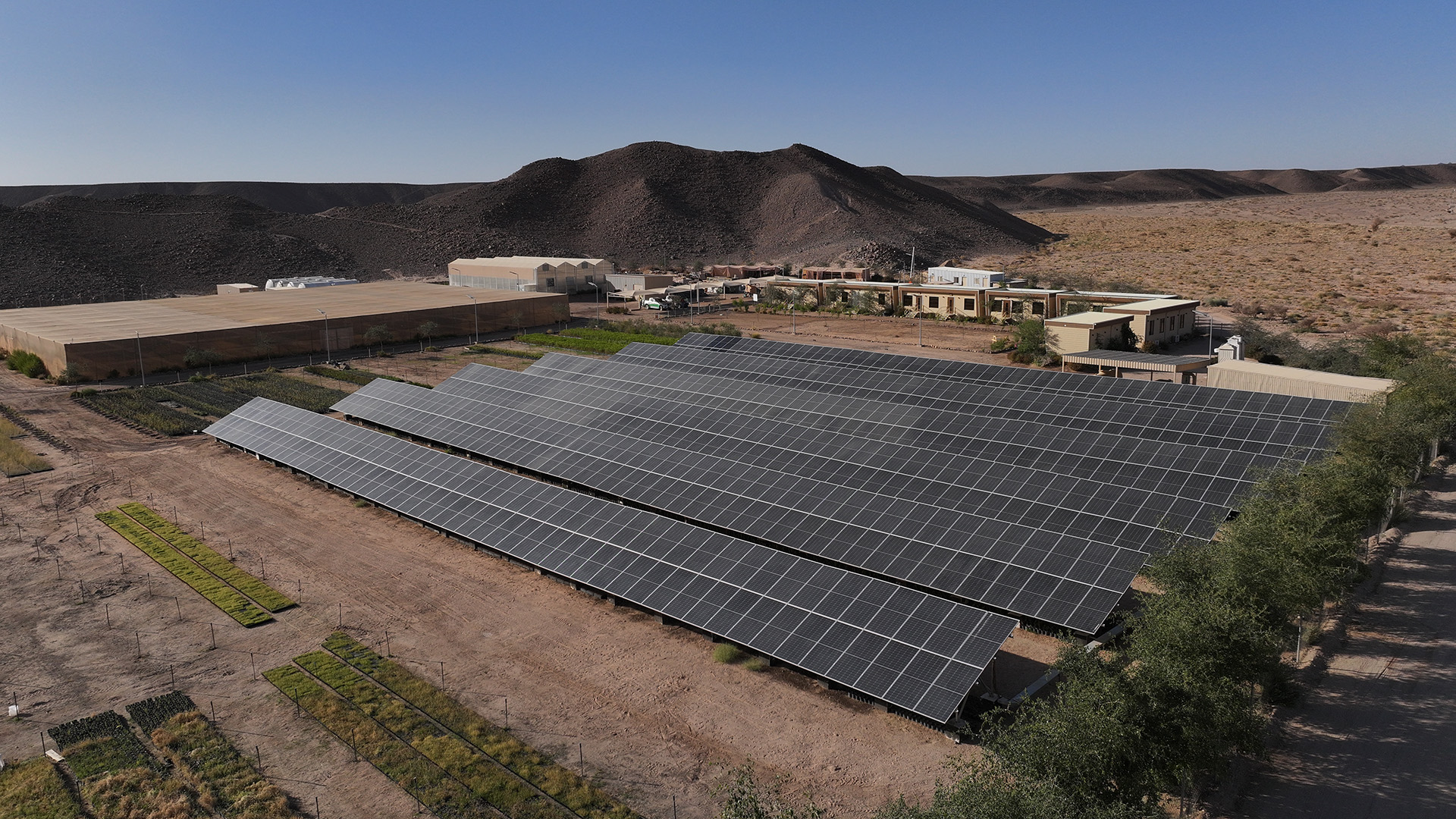
Sustainability on a construction site is rarely decided by a single certificate. It comes down to the many day-to-day decisions behind the work: which materials are bought, how waste is sorted, and how carefully water and fuel are used. At AMAALA Employee Village, the residential project BEC Arabia is building in Al Wajh, those decisions are reflected in the results. In the first half of 2026, the project diverted 81.6% of its construction and demolition waste from landfill, at a time when Saudi Arabia is working toward recycling 60% of this type of waste by 2035. The project has also earned a Mostadam Diamond rating, the highest level in the Kingdom’s green building rating system.
As Saudi Arabia advances large-scale developments under its national transformation agenda, sustainability is becoming an increasingly important part of construction planning and delivery. Contractors must translate environmental requirements into practical site procedures that work alongside commercial, logistical, and operational demands. This means looking beyond certification and considering how everyday project decisions affect a project’s environmental footprint.
From Compliance to Construction Performance
Green building specifications, environmental documentation, and certification provide an important foundation for sustainable construction. However, meeting these requirements is only one part of managing a project’s environmental impact.
Many of the most significant opportunities to reduce that impact arise before construction begins. Decisions about building orientation, structural systems, material selection, energy demand, water management, and construction methods can influence resource consumption and environmental outcomes throughout the project.
During construction, these decisions become part of daily operations. Procurement teams source materials that meet environmental specifications, site teams manage waste and resource use, and subcontractors follow established procedures. Project managers must coordinate these activities while meeting cost, schedule, quality, and safety targets.
Integrating sustainability early helps reduce unnecessary material consumption, improve resource planning, and prevent avoidable inefficiencies. It also gives project teams more time to identify environmental risks before they affect work on site.
For contractors, sustainability is therefore an operational discipline. Its value depends on how consistently environmental requirements are reflected in planning, procurement, site management, and execution.
Green Building Certification in Saudi Arabia
Green building certification systems offer structured methods for setting environmental objectives, assessing building performance, and demonstrating compliance. Common frameworks include LEED, Mostadam, and EDGE, each of which evaluates different aspects of a building’s sustainability.
Mostadam, Saudi Arabia’s national green building rating system, is particularly relevant to the Kingdom’s built environment. All three frameworks convert environmental objectives into requirements that shape design coordination, material procurement, construction planning, and performance monitoring.
Their value extends beyond the final certification assessment. Working toward certification can improve coordination between designers, suppliers, and construction teams, while supporting more consistent material sourcing, documentation, and waste management. Sustainability specialists also help monitor site practices, assess performance against project targets, and identify gaps during execution.
However, certification does not automatically mean that a project has minimized every environmental impact. A certificate confirms that a building meets a defined standard. It does not guarantee that every opportunity to reduce resource use has been taken.
A stronger approach uses certification as a project management framework, supported by measurable targets, regular monitoring, and corrective action. This allows teams to track progress during construction rather than treating certification as a final-stage requirement.
BEC Arabia applies this approach at AMAALA Employee Village in Al Wajh, which achieved Mostadam’s Diamond rating during construction. The project shows how sustainability requirements can be integrated into day-to-day execution rather than addressed only at the end.
Material Selection and Construction Waste Management
Material selection plays a major role in construction sustainability. Concrete, steel, and other primary building materials can account for a substantial share of a project’s embodied carbon: the greenhouse gas emissions released while materials are produced and supplied.
Reducing these impacts requires more than meeting minimum technical specifications. Procurement teams need reliable information about material origin, environmental impact, and suitability for the intended use. Environmental Product Declarations (EPDs), recycled-content documentation, and volatile organic compound (VOC) testing can support better-informed choices.
Approved supplier lists and consistent verification procedures also help project teams assess whether materials meet environmental requirements. These checks make sustainability part of purchasing and supplier evaluation rather than a separate activity.
Waste management requires the same level of attention. Total waste figures alone do not give a complete picture. Teams also need to understand how much waste is reused, recycled, recovered, or sent to landfill.
Circular construction principles can help reduce material losses and improve resource efficiency. The idea is to keep materials in use for as long as possible through better planning, reuse, recycling, and recovery. Accurate quantity estimation, design coordination, proper material handling, and waste segregation all support this approach.
The objective is not simply to report lower waste volumes. It is to understand how materials move through a project and identify where unnecessary waste can be prevented at each stage.
Measuring Environmental Performance Through Project Data
Environmental data helps construction teams see how sustainability targets play out in site activity. It also provides a basis for identifying resource-intensive processes, comparing results, and setting improvement priorities.
At AMAALA Employee Village, monitoring during the first half of 2026 showed that an average of 81.6% of construction and demolition waste was diverted from landfill. During the same period, the project recorded:
- 6,330 m³ of waste generated
- 4,268 m³ of water consumed
- 521,606 liters of diesel consumed
These figures are a starting point for monitoring resource use and identifying areas for improvement. However, the indicators need to be read together to give a complete assessment of the project’s performance.
A high waste diversion rate does not necessarily mean that the total volume of waste is low. Similarly, water and diesel consumption figures are useful baselines, but assessing resource efficiency also requires context, including construction progress, the scope of each work package, and resource use per unit of output.
The project also sent all of its general municipal waste to landfill. This shows how strong results in one waste category can sit alongside areas that still need attention.
For contractors, consistent environmental reporting helps identify recurring issues, establish meaningful benchmarks, and direct resources toward improvements with the greatest potential impact. Assessing multiple indicators also prevents a single successful result from being treated as a complete measure of sustainability.
The Contractor’s Role in Delivering Sustainable Construction
Design teams may establish a project’s sustainability objectives, but contractors play a central role in turning those objectives into construction practice. Their decisions shape material selection, supplier accountability, waste segregation, resource handling, and how environmental rules are applied across the site.
Procurement teams assess material impacts and supplier performance. Site management teams oversee waste and resource use, while subcontractor coordination helps ensure that environmental procedures are followed consistently. Each function has a role in maintaining the standards established during project planning.
People are equally important to this process. Site inductions, toolbox talks, role-specific training, and designated sustainability representatives help put technical requirements into daily practice. When employees understand the environmental responsibilities of their roles, sustainability becomes part of routine project delivery.
Clearly assigned duties and regular performance reviews also help teams identify gaps and stay accountable. This makes environmental management a shared responsibility rather than the task of a single department.
Ultimately, sustainable construction depends on the decisions made throughout project delivery. Green building certification provides a framework, but its value comes from consistent execution, informed procurement, responsible resource management, and measurable environmental results.